

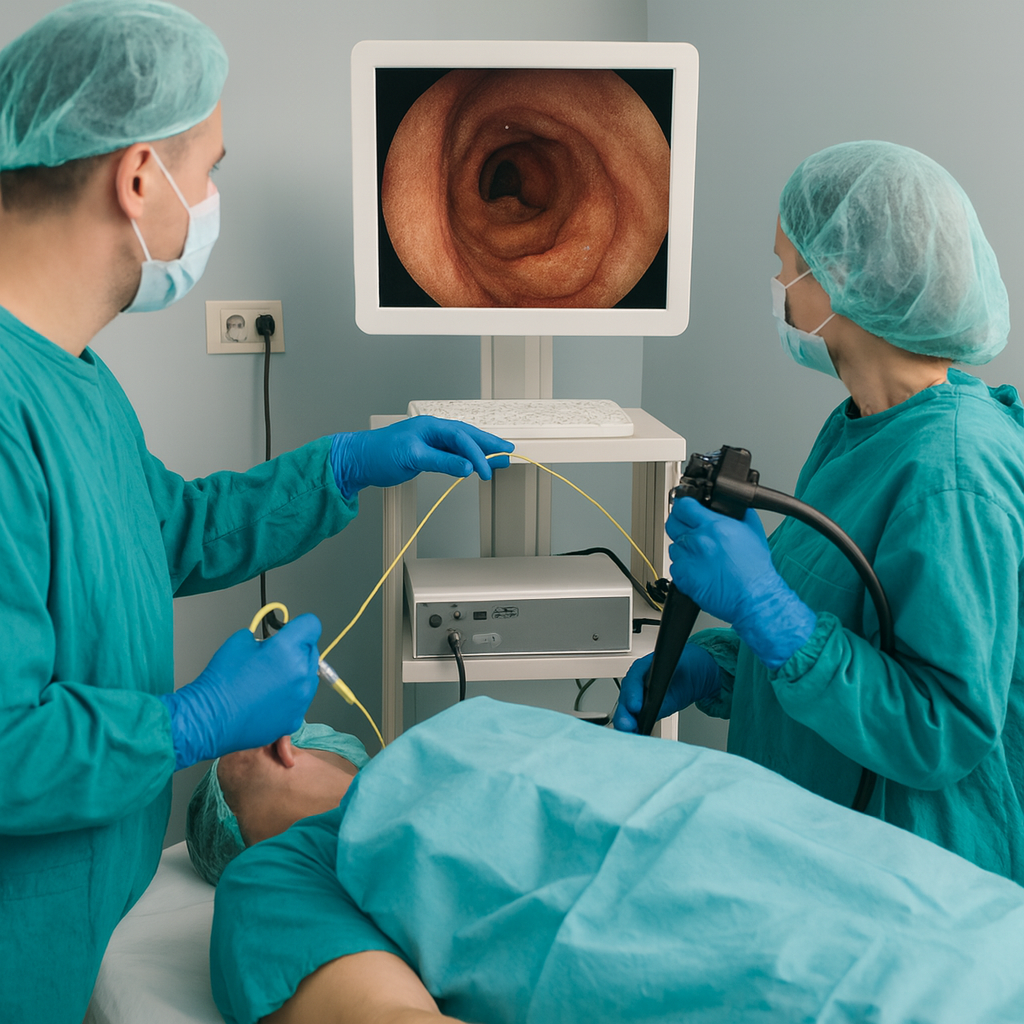
In gastrointestinal surgery, safe and controlled bleeding management is essential for procedural success and postoperative patient stability. Surgical interventions involving the gastrointestinal tract often deal with highly vascularized tissue, complex anatomy, and an increased risk of bleeding. A high-performance medical hemostat supports you in controlling bleeding precisely while improving overall surgical efficiency. At the same time, it helps reduce complications and promotes better healing outcomes. The clinical value of modern hemostatic agents becomes particularly evident in both open and minimally invasive procedures. Below, you will find the key advantages of using a medical hemostat in gastrointestinal surgery.
Effective bleeding control in highly vascularized tissue
The gastrointestinal tract has a dense vascular network, especially in the stomach, liver, intestines, and mesentery. A high-quality medical hemostat enables rapid and precise bleeding control, even in cases of diffuse or hard-to-access bleeding. Its localized mode of action supports natural hemostasis directly at the bleeding site without causing unnecessary trauma to surrounding tissue. This significantly increases intraoperative safety.
Improved visibility and efficiency in the operating room
Uncontrolled bleeding reduces visibility in the surgical field and complicates precise surgical work. The use of a medical hemostat ensures a clear operating field, allowing you to perform surgical steps with focus and minimal interruption. This is particularly critical in laparoscopic procedures, where rapid bleeding control is essential. As a result, operative efficiency is improved and stress levels in the operating room are reduced.
Shorter operating time and reduced blood loss
Reliable hemostasis has a direct impact on the duration of surgery. When bleeding is controlled immediately, time-consuming additional measures such as repeated coagulation or secondary suturing become unnecessary. A medical hemostat can therefore shorten operating time and significantly reduce intraoperative blood loss. This lowers patient burden and reduces the need for blood transfusions.
Reduced postoperative complications
Postoperative bleeding, hematomas, and anastomotic complications are among the most serious concerns in gastrointestinal surgery. An effective medical hemostat provides stable hemostasis beyond the procedure itself and significantly lowers the risk of postoperative bleeding. This supports faster wound healing, reduces infection risk, and can shorten hospital stays.
Additional safety for high-risk patients
Many gastrointestinal surgery patients present an elevated bleeding risk due to liver disease, malignancies, or ongoing anticoagulant therapy. In these situations, a medical hemostat offers an additional level of safety. Its local effectiveness is particularly valuable when systemic coagulation mechanisms are compromised. This allows reliable outcomes even under demanding clinical conditions.
Conclusion
In gastrointestinal surgery, the medical hemostat is a critical factor for safe, efficient, and tissue-friendly procedures. It enables precise bleeding control, improves visibility in the operating field, shortens operating times, and reduces postoperative complications. As a result, it makes a significant contribution to improved clinical outcomes and faster patient recovery.
