

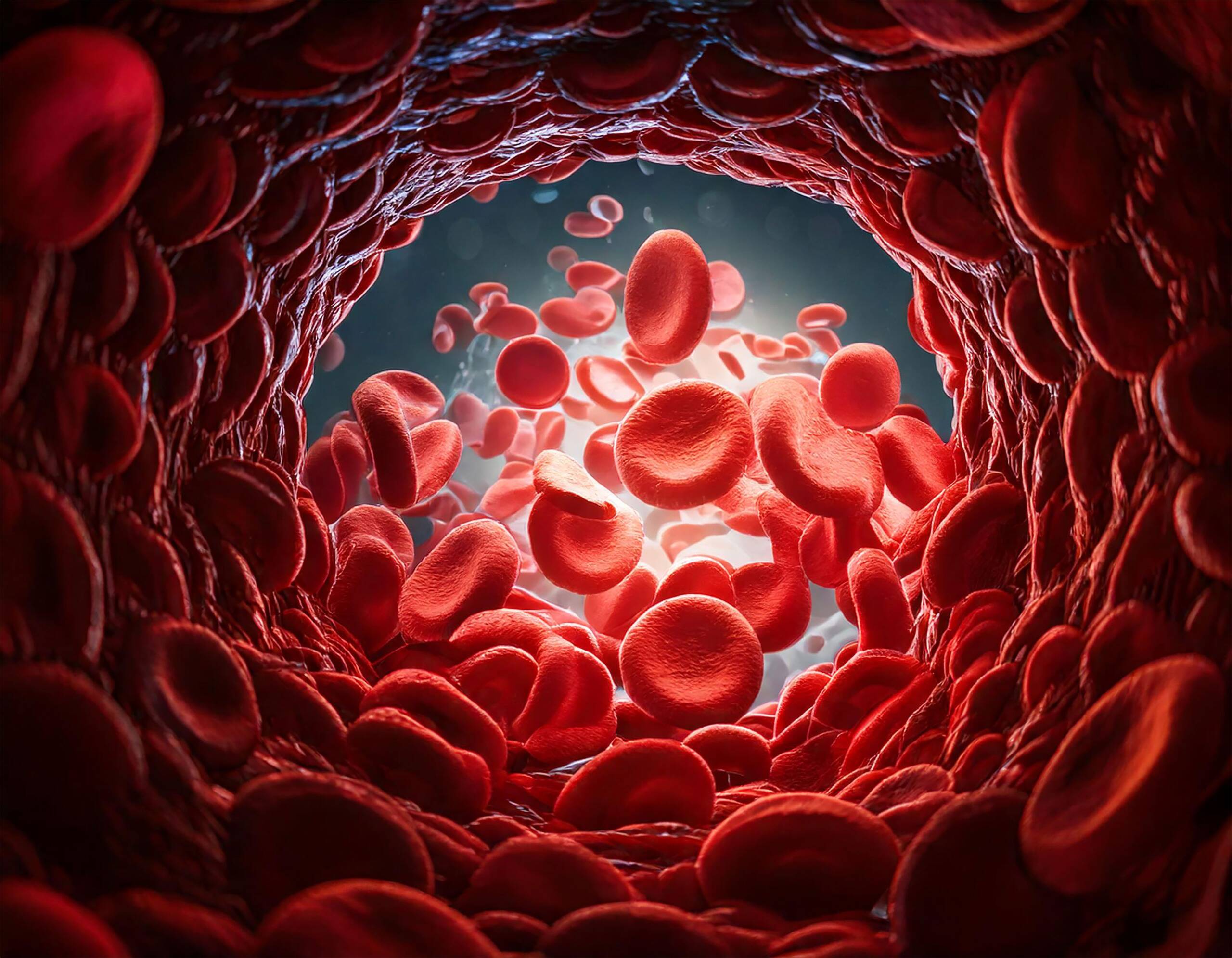
A medical hemostat is far more than a supporting aid in cardiac surgery – it is a decisive factor for safety, efficiency, and improved patient outcomes. In highly complex heart procedures, where bleeding control and tissue management are critical, an effective medical hemostat offers clear advantages over conventional methods alone. Below, you will see why the right medical hemostat makes a measurable difference in cardiac surgery and how it positively impacts both intraoperative workflows and postoperative recovery.
Precise bleeding control in critical areas
In cardiac surgery, bleeding can be life-threatening, as even the smallest vessels are located close to vital structures. A high-quality medical hemostat enables fast and targeted hemostasis, even in hard-to-reach areas. Through its chemical and physical mode of action, it supports the body’s natural coagulation process without causing unnecessary tissue trauma. This reduces intraoperative risk and gives surgeons greater control in situations where every second matters.
Shorter operating time and reduced patient burden
Every minute in the operating room counts, especially during heart surgery. Efficient hemostatic agents significantly accelerate hemostasis by immediately controlling bleeding and reducing the need for time-consuming manual techniques such as prolonged compression or repeated suturing. Less time spent on bleeding control allows procedures to be completed faster. This shortens anesthesia time, lowers patient stress, and improves overall operating room efficiency.
Reduced postoperative complications
Blood loss and re-bleeding after cardiac surgery often lead to complications such as secondary hemorrhage, infections, or prolonged ICU stays. The use of an effective medical hemostat helps minimize these risks by creating stable hemostasis that remains reliable during the critical postoperative phase. This not only improves clinical outcomes but can also shorten recovery time and reduce overall hospital length of stay.
Tissue preservation and improved wound healing
Modern hemostats are designed to be tissue-friendly and do not interfere with the natural healing process. They bind platelets and promote local coagulation without aggressive mechanical manipulation. In cardiac surgery, where delicate tissue and major vessels dominate, this leads to better wound healing, reduced scar formation, and overall improved regeneration.
Increased safety for patients with coagulation disorders
Many patients undergoing cardiac procedures already suffer from coagulation disorders or are receiving anticoagulant therapy. In these cases, local bleeding control becomes even more critical. A reliable medical hemostat provides an additional layer of safety by remaining effective even under challenging coagulation conditions, thereby reducing the risk of severe bleeding events.
Conclusion
In cardiac surgery, the use of a medical hemostat offers clear clinical advantages. It supports surgical teams through rapid bleeding control, shorter procedure times, lower complication rates, gentle tissue handling, and improved healing processes. In the field of cardiac surgery, these benefits are not theoretical but clinically relevant and contribute significantly to successful treatment outcomes.