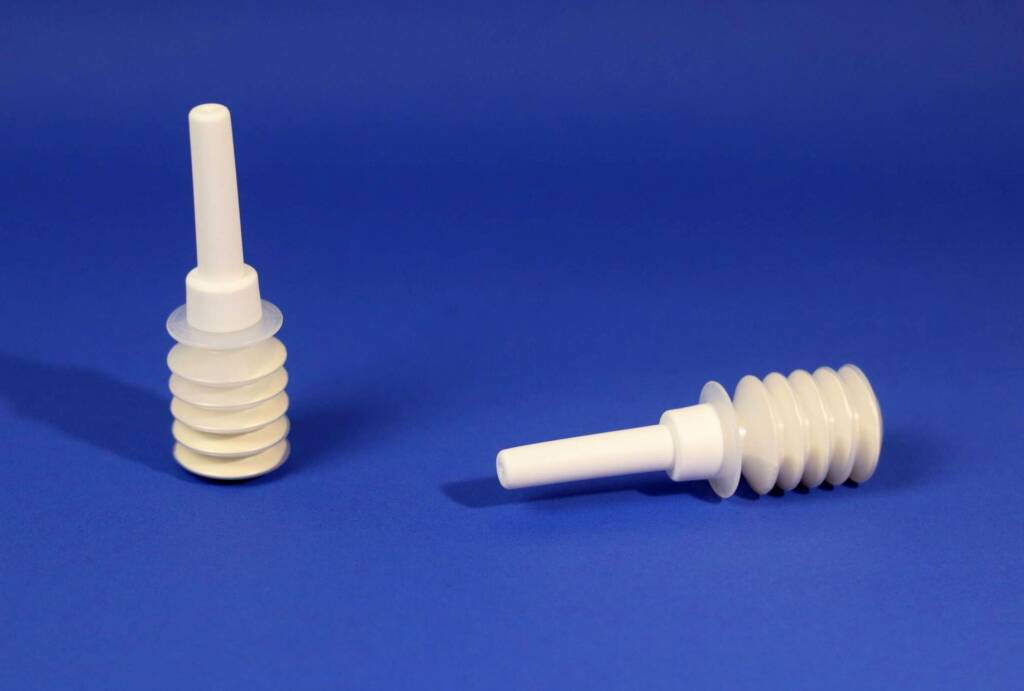
Minimally invasive surgery places particularly high demands on precision, visibility, and bleeding control. Limited access, reduced tactile feedback, and camera-based visualization leave little margin for error when bleeding occurs. This is where modern medical hemostats have become an essential component of safe and efficient minimally invasive procedures. They allow you to control bleeding quickly and locally without disrupting the surgical workflow. At the same time, they support better outcomes for patients and more efficient use of operating room resources. Their role in minimally invasive surgery is therefore both clinically and economically significant.
Bleeding control under limited access conditions
In minimally invasive surgery, direct manual compression or extensive suturing is often not feasible. Even small bleeding sources can become difficult to manage when access is restricted. Medical hemostats enable rapid, targeted bleeding control directly at the source, even in hard-to-reach areas. Their local mode of action supports natural coagulation without requiring extensive tissue manipulation, helping you maintain control throughout the procedure.
Improved visibility and surgical precision
Clear visualization is critical when working with endoscopic or laparoscopic cameras. Minor bleeding can quickly obscure the operative field and interrupt the procedure. By providing fast and reliable hemostasis, medical hemostats help keep the surgical field clear and stable. This allows you to work with greater precision, reduce interruptions, and perform complex steps with confidence.
Shorter procedure times and higher operating room efficiency
Time efficiency is a key advantage of minimally invasive techniques, and uncontrolled bleeding can quickly negate this benefit. When bleeding is stopped immediately, additional measures such as repeated coagulation or secondary suturing become unnecessary. Medical hemostats contribute to shorter operating times and smoother procedural flow. This improves overall operating room efficiency and reduces physical and mental strain on the surgical team.
Tissue preservation and faster recovery
One of the main goals of minimally invasive surgery is to minimize trauma to surrounding tissue. Modern medical hemostats support this principle by enabling gentle bleeding control without aggressive mechanical or thermal intervention. This tissue-sparing approach promotes better wound healing, reduces inflammatory responses, and can lead to less postoperative pain. As a result, patients often experience faster recovery and shorter hospital stays.
Reduced risk of postoperative complications
Stable intraoperative hemostasis is essential to prevent postoperative bleeding, hematoma formation, and re-interventions. By creating reliable local hemostasis, medical hemostats help lower the risk of postoperative complications. This contributes to improved clinical outcomes and enhances overall patient safety in minimally invasive procedures.
Conclusion
In minimally invasive surgery, medical hemostats are a key factor for safe, precise, and efficient procedures. They enable effective bleeding control under limited access, improve visibility, shorten procedure times, and support tissue preservation and faster healing. Their targeted use makes a decisive contribution to better surgical outcomes and sustainable efficiency in modern operating rooms.