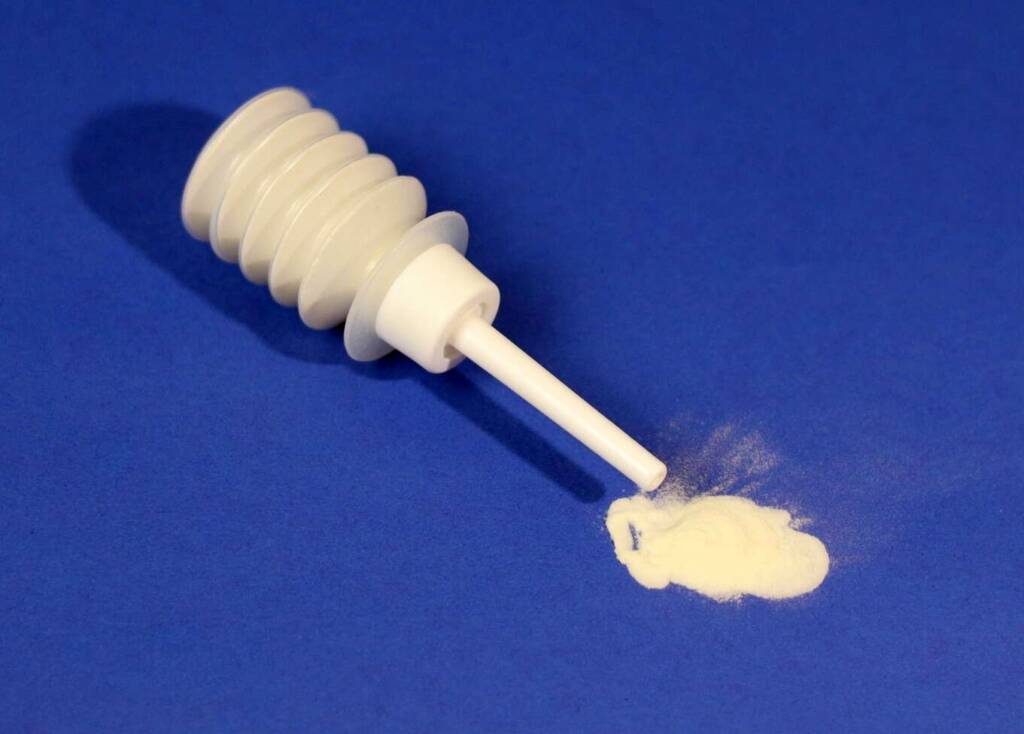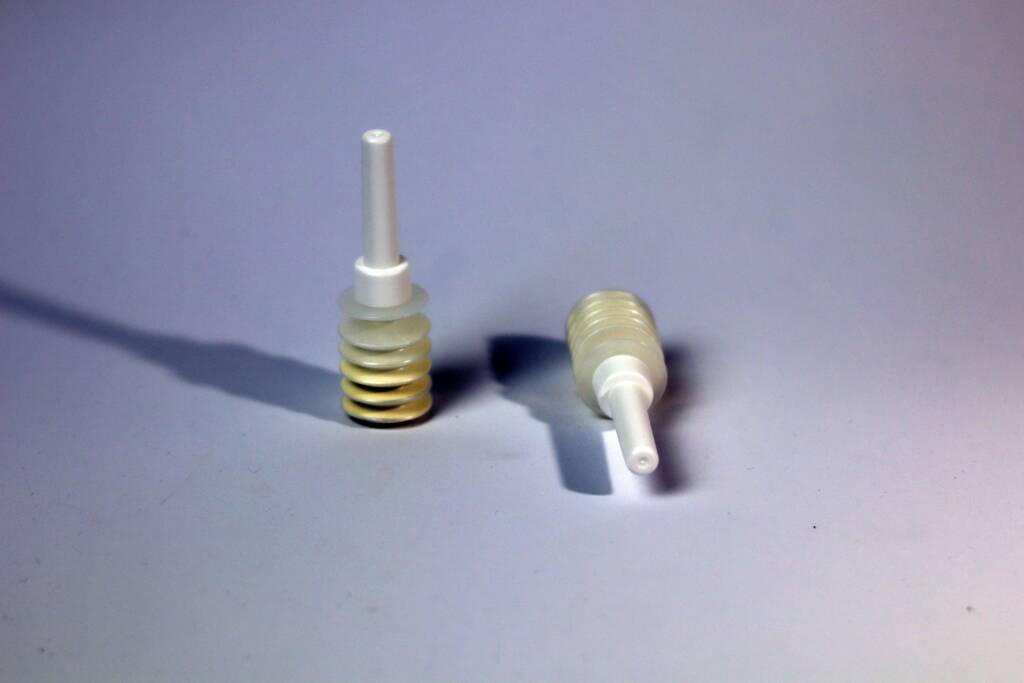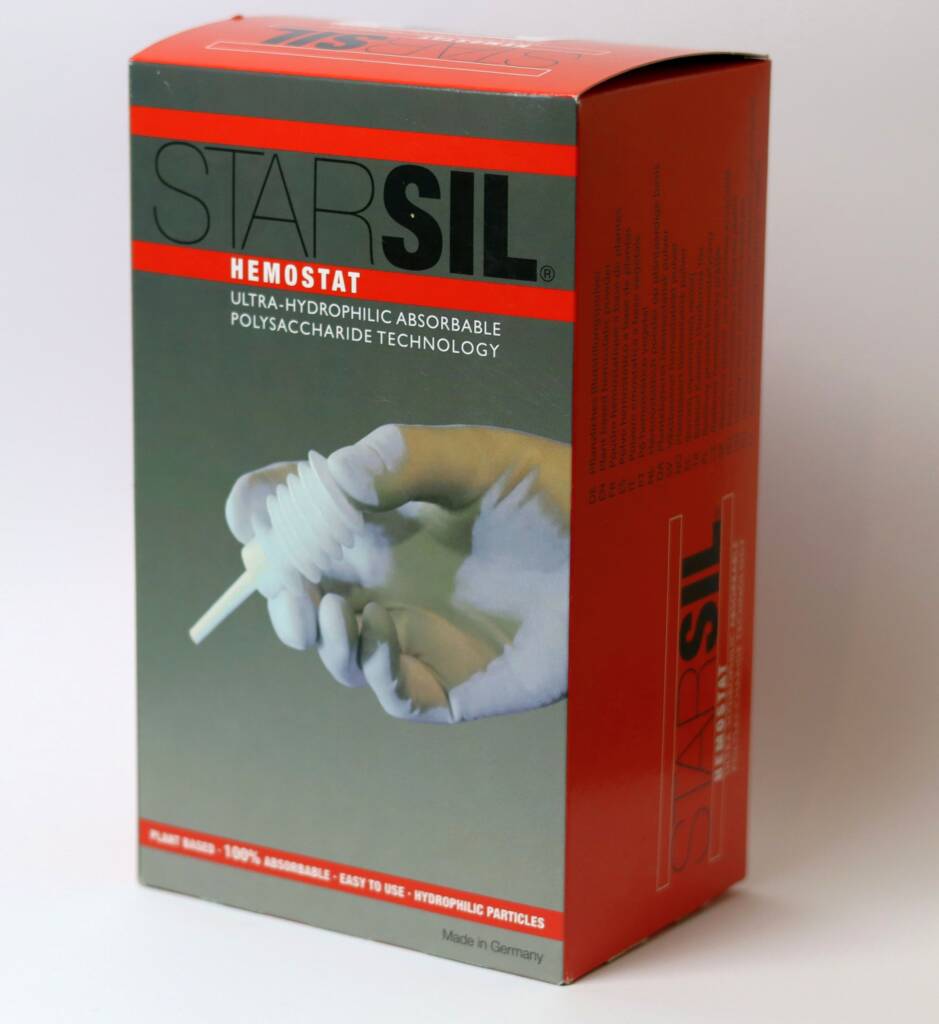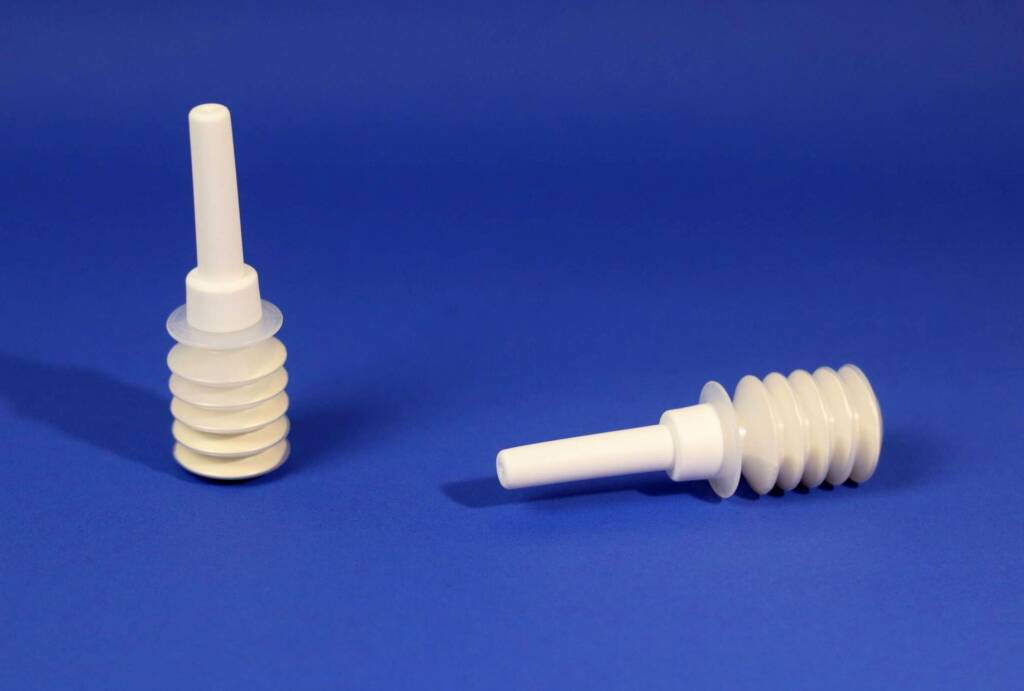
Safe surgical procedures depend heavily on reliable bleeding control. Uncontrolled bleeding remains one of the most common causes of complications, prolonged operating times, and challenging postoperative courses. This is exactly where modern medical hemostats play a decisive role and why they have become an integral part of today’s operating rooms. They help you control bleeding precisely, stabilize surgical workflows, and significantly reduce risk. Their value goes far beyond convenience and translates into measurable clinical and economic benefits. As a result, modern hemostatic agents are indispensable in contemporary surgery.
Hemostasis as a critical success factor in the operating room
In nearly every surgical discipline, effective hemostasis is a key determinant of procedural success. Even minor bleeding can impair visibility, limit precision, and unnecessarily prolong surgery. Modern medical hemostats enable fast, targeted, and reliable bleeding control directly at the source. This allows you to maintain full control of the surgical field and focus on the actual operative task without interruption.
Increased safety in complex and high-risk procedures
Patients with coagulation disorders, ongoing anticoagulant therapy, or complex comorbidities place particularly high demands on bleeding management. Conventional methods often reach their limits in these cases. Medical hemostats provide an additional level of safety by acting locally and independently of systemic coagulation mechanisms. This significantly reduces the risk of severe bleeding and enhances intraoperative safety.
More efficient workflows and shorter operating times
Time is a critical factor in the operating room, both medically and economically. When bleeding is controlled quickly, time-consuming measures such as repeated coagulation or secondary suturing become unnecessary. The use of modern medical hemostats helps shorten operating times and streamlines overall surgical workflows. At the same time, it reduces physical strain on both the surgical team and the patient.
Reduction of postoperative complications
Stable hemostasis does not end with the final skin closure. Postoperative bleeding, hematoma formation, and infections are among the most common causes of re-operations and extended hospital stays. Medical hemostats support durable bleeding control that remains effective during the critical postoperative phase. This leads to lower complication rates and improved treatment outcomes.
Tissue preservation and improved wound healing
Modern hemostatic agents are designed to be effective while minimizing trauma to surrounding tissue. Compared with aggressive mechanical or thermal techniques, they enable gentle bleeding control that supports the body’s natural wound healing process. This promotes faster recovery, reduces inflammatory reactions, and can help decrease postoperative pain.
Economic benefits for hospitals and surgical centers
In addition to clinical advantages, economic considerations are increasingly important. Shorter operating times, fewer complications, and reduced re-interventions have a direct impact on overall costs. Medical hemostats therefore represent not only a medical solution but also an economic tool that contributes to greater efficiency and sustainability in hospital operations.
Conclusion
Modern medical hemostats are indispensable for safe, efficient, and high-quality surgical procedures. They enable precise bleeding control, enhance patient safety, optimize operating room workflows, and reduce postoperative risks. As such, they make a decisive contribution to improved clinical outcomes and long-term economic efficiency in surgical care.